Studio
Brewing Methods Compared
How to choose among nine common brewing methods
Brewing is about using water to extract aroma, acidity, sweetness, and soluble compounds from ground coffee. No brewer is absolutely better or worse; each reveals a different side of coffee.
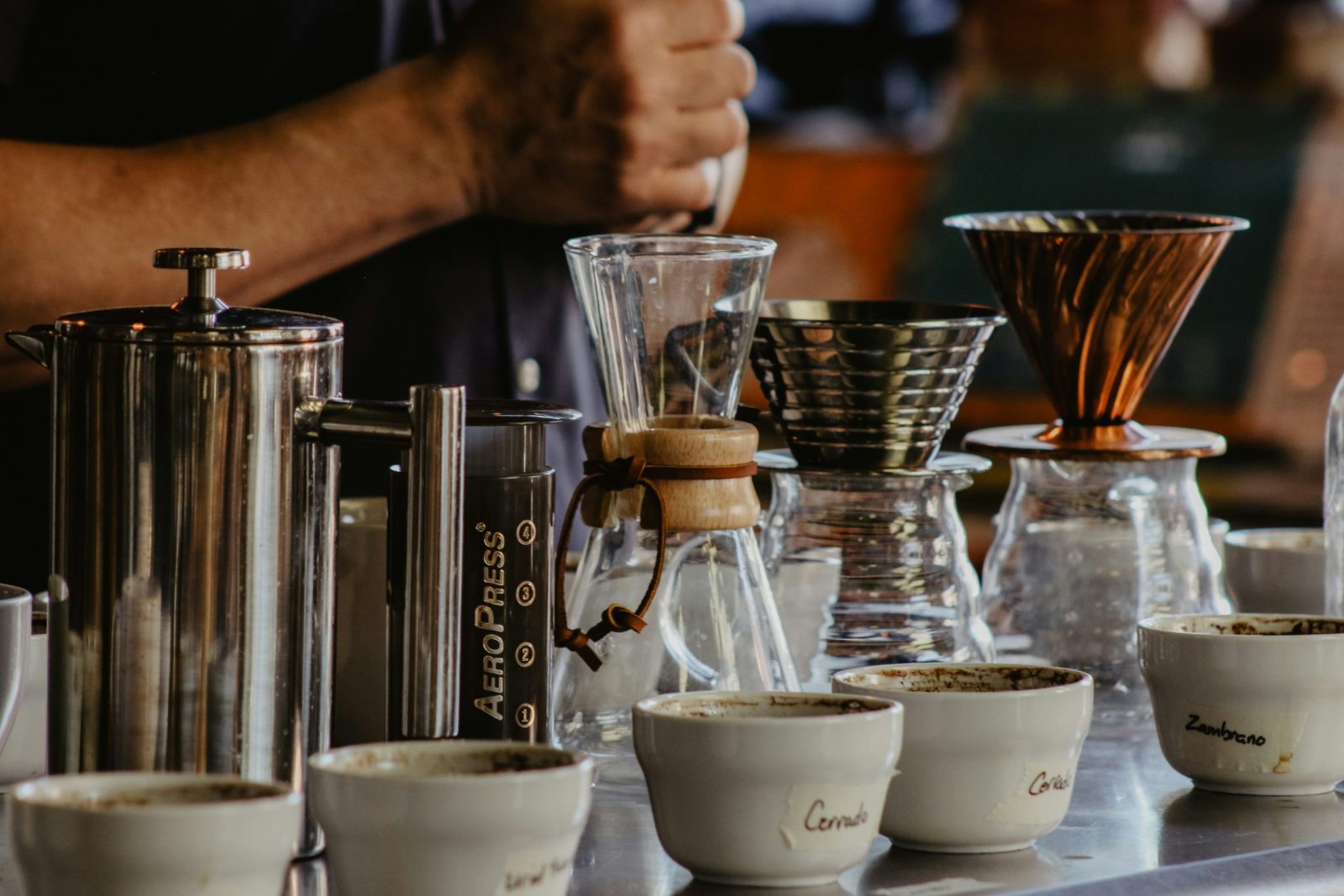

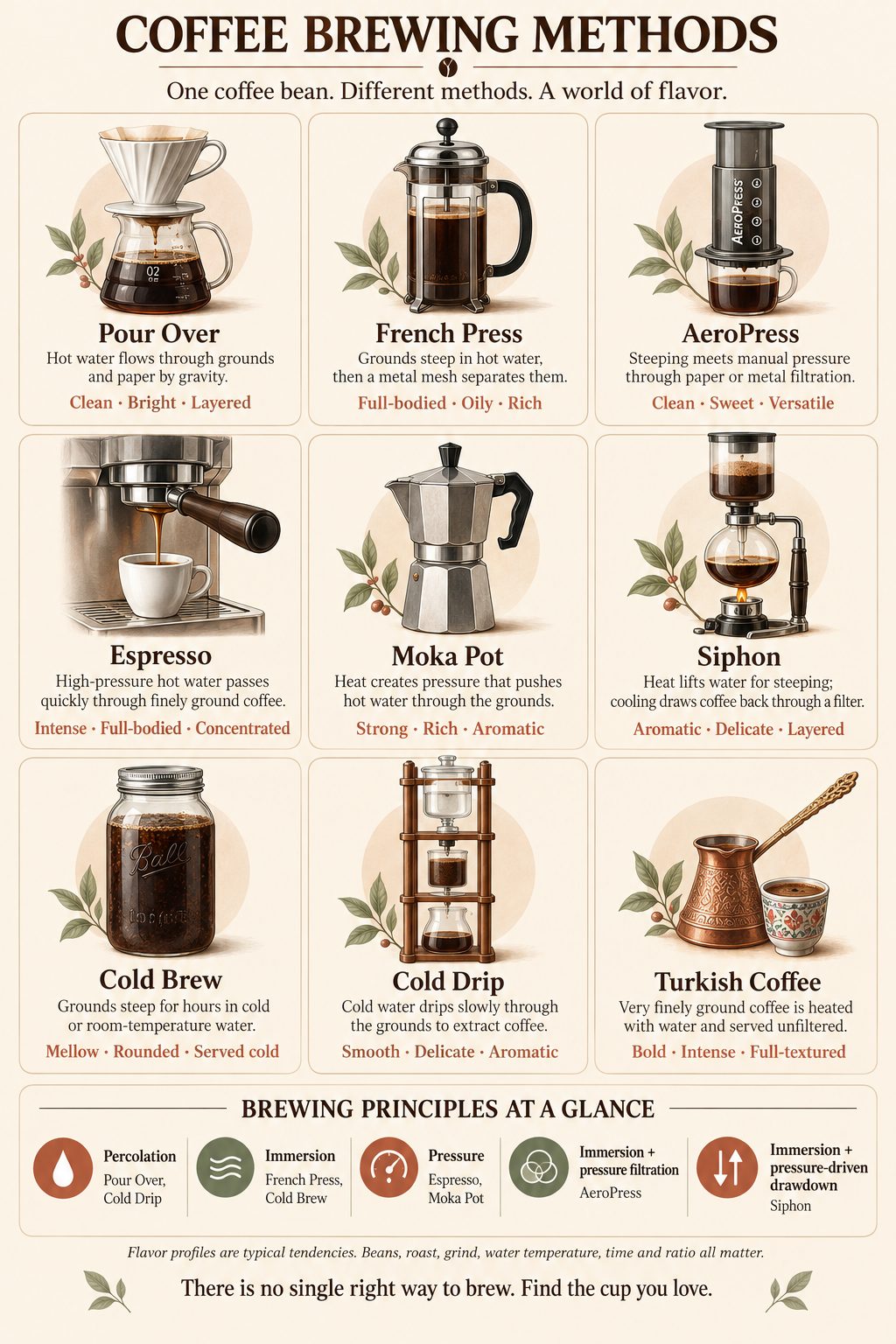
Start with how extraction works
Swipe left or right to view the full table →← Swipe sideways to view the full table →
| Extraction Method | Common Brewers | Typical Profile |
|---|---|---|
| Drip | V60, Kalita | Clean, bright, clearly layered |
| Immersion | French Press, Cold Brew | Round, full, sweet |
| Pressure | Espresso, Moka Pot | Rich, concentrated, heavy-bodied |
| Hybrid | AeroPress | Very flexible and versatile |
| Vacuum | Siphon | Bright aroma; clean and delicate |
| Boiling / settling | Turkish Coffee | Thick, intense, concentrated aroma |
Hand-poured filter
Hot water flows slowly through ground coffee and a paper filter, with gravity doing the extraction. Usually clean, bright, and clearly layered, it can delicately showcase floral, fruity, acidic, and sweet notes.
Full immersion
Ground coffee is fully immersed in hot water, then separated with a metal mesh filter. More oils remain in the cup, giving a heavy body and full aroma.
Immersion + pressure
Combines immersion and pressure. With many possible adjustments to grind, water temperature, and time, it can brew anything from light and refreshing to rich and intense.
Espresso
Hot water under high pressure passes through finely ground coffee in a short time, extracting a small, concentrated shot—the base of Americanos, lattes, and cappuccinos.
Stovetop pressure
Steam pressure from heating pushes hot water through the coffee grounds. It is usually stronger than pour-over, ideal for those who like a rich, full-bodied cup.
Vacuum brewer
Brews using steam pressure and the vacuum created as it cools, producing a clean, aromatic, and delicately layered coffee.
Long cold immersion
Steeped in cold or room-temperature water for many hours, it usually tastes mellow, smooth, and noticeably sweet—perfect for iced drinks.
Slow cold drip
Ice water or cold water drips through the coffee grounds very slowly, gradually completing extraction and often producing concentrated aroma and delicate flavor.
Unfiltered and boiled
Very finely ground coffee is heated with water in a traditional pot without a filter, so the grounds settle in the cup. It is thick and aromatic, and a brewing method with a long history and rich cultural heritage.
Flavor notes:Thick | Intense | Concentrated Aroma | Rich Mouthfeel
Brewing Basics
The Basics of Consistent Brewing
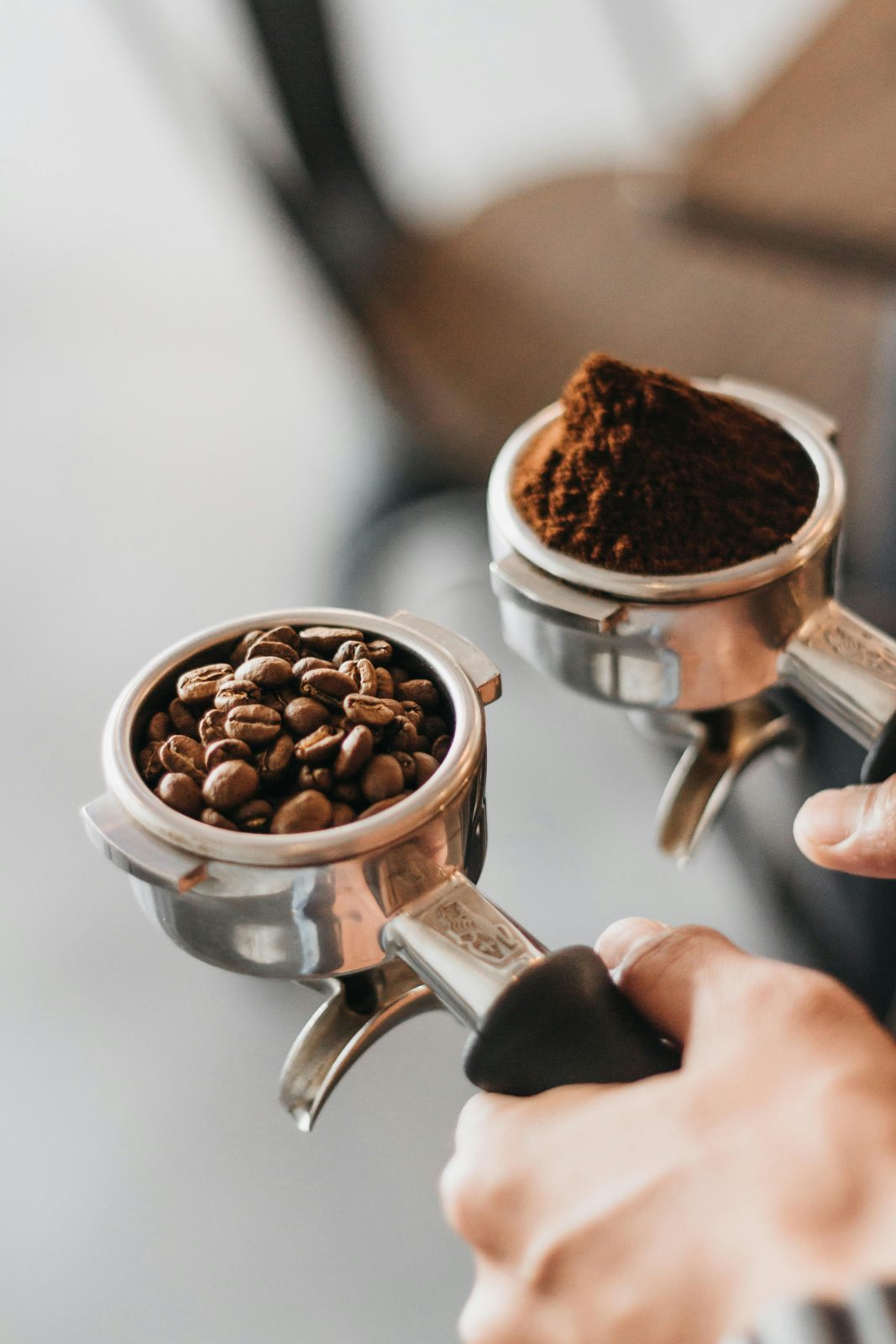
First fix the amount of water, coffee, and time, then adjust the grind based on taste. Sour and thin usually means under-extraction; bitter, dry, and hollow may mean over-extraction.
- Water qualityUse clean, filtered water
- Water temperatureFor most pour-overs, start at 90–92°C
- FreshnessStore airtight and grind just before brewing
- EquipmentClean off coffee oils and residue after each use