Studio
Coffee Knowledge
From bean to brew: understanding where the flavor in every cup comes from
Coffee Bean Knowledge
Coffee species and specialty varieties
The flavor of coffee begins with its species and variety. Let's first learn about the six main coffee species, and then compare the three common Arabica specialty varieties: Geisha, Bourbon, and Typica.
Six major coffee species
From Arabica and Robusta to the less common Racemosa and Stenophylla, this article summarizes market conditions, growth characteristics, and common flavor profiles.
View full information →Three Well-Known Specialty Varieties
Learn about the origins, cultivation characteristics, and common flavors of Geisha, Bourbon, and Typica, and quickly compare them using charts.
View full information →Common Coffee Drinks
Most coffee drinks can be understood through their ratio of espresso, hot water, milk, and milk foam. Once you know the basic structure, it’s easier to tell whether you prefer something strong, light, milky, or dessert-like.

Espresso
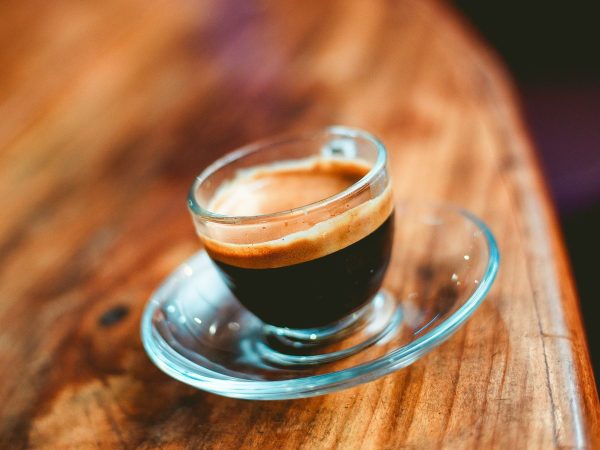
Extracted quickly under high pressure, espresso is a small, concentrated shot, usually topped with crema, and the base of many espresso drinks.
Americano
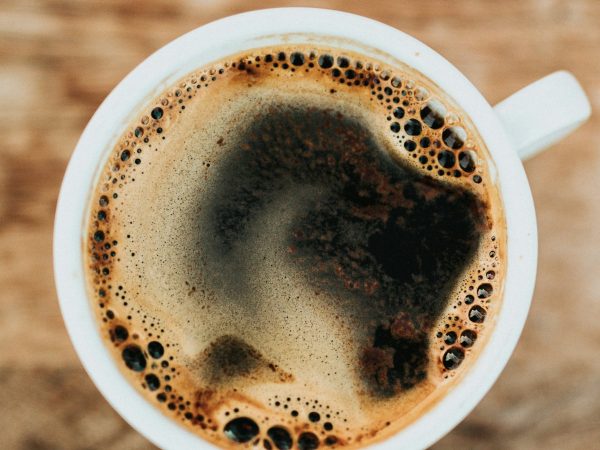
Hot water is added to espresso, keeping the coffee aroma while making it lighter and easy to enjoy every day.

Latte
Espresso with plenty of steamed milk and a thin layer of foam. The milk softens the coffee’s bitterness for a smooth, mellow cup.
Cappuccino
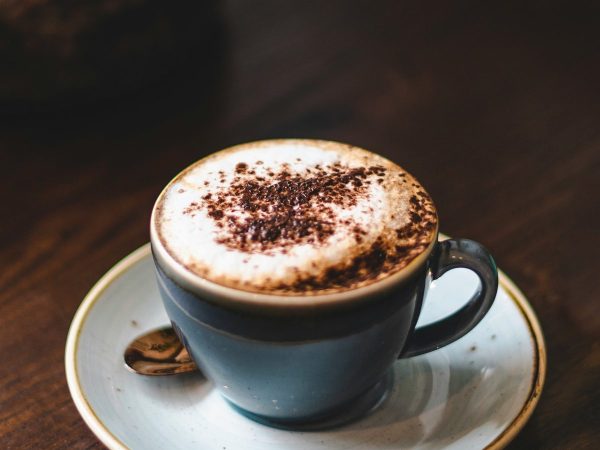
Espresso, steamed milk, and a thick layer of foam create distinct layers of coffee, milk, and airy texture.
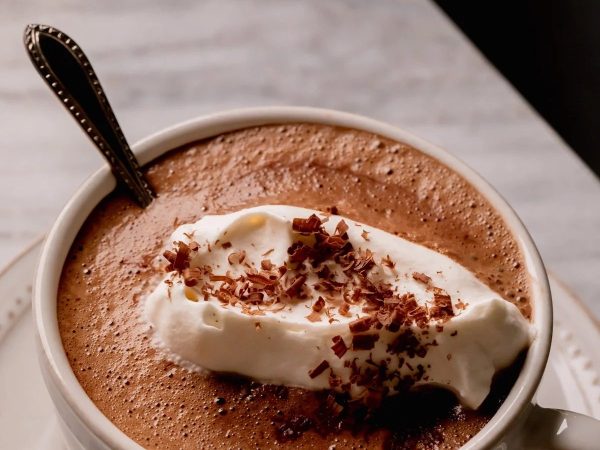
Mocha
Chocolate added to espresso and milk creates a dessert-style drink that blends sweetness, bitterness, and creamy aroma.
Three Ways to Understand Coffee Types
Coffee types can be organized by species, brewing method, and roast level. These categories offer direction, but no single term can tell you everything about how a cup will taste.
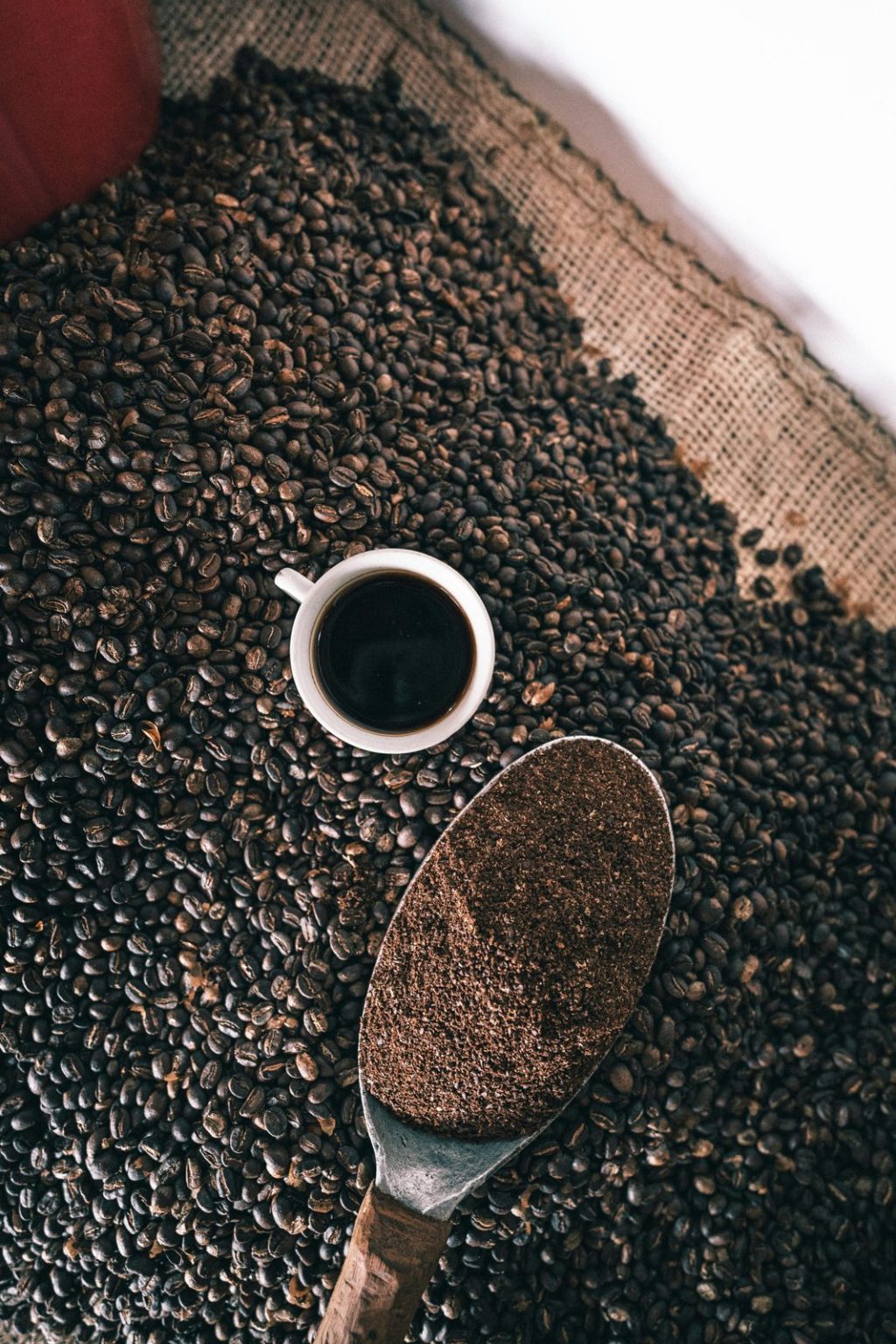
By Species
Arabica:Delicate acidity with pronounced floral and fruity aromas.
Robusta:Stronger bitterness and higher caffeine.
Notable varieties:Geisha, Bourbon, Typica, and others each show distinctive specialty flavors.
By Brewing Method
Espresso:Intense and concentrated.
Pour-over:Highlights acidity, sweetness, and detail.
Drip bags:Convenient while preserving aroma.
Cold Brew:Brewed cold over many hours for a refreshing, smooth cup.
By Roast Level
Light roast:Floral and fruity aromas with a bright acidity.
Medium roast:Balanced acidity and sweetness with a round mouthfeel.
Dark roast:Bittersweet and full-bodied, often with caramel, chocolate, and smoky notes.
From Plant to Cup
How a Cup of Coffee Comes Together
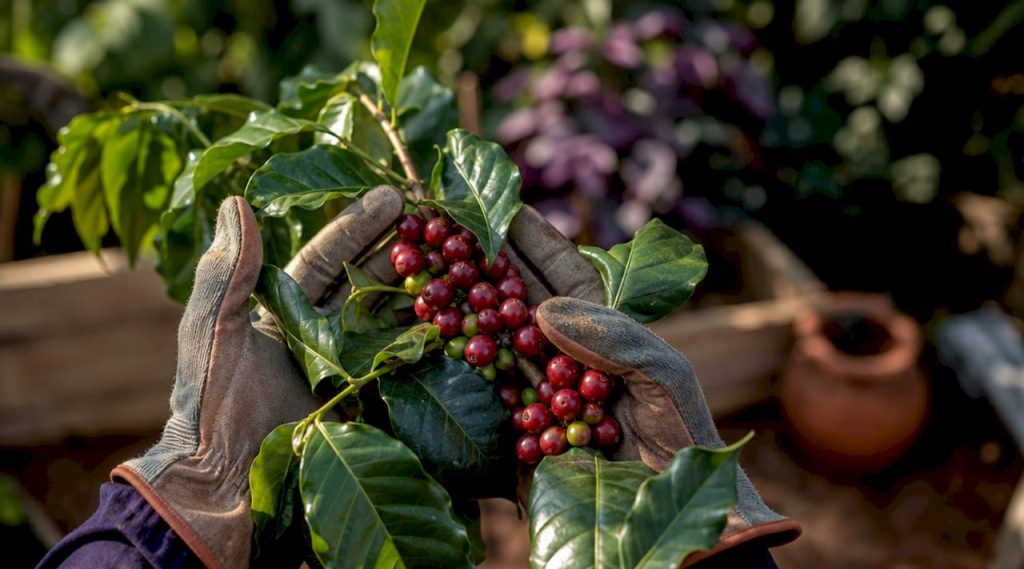
Growing and Harvesting
Variety, altitude, soil, climate, and ripeness lay the foundation of coffee flavor.
Processing and Drying
Washed, natural, honey, and fermentation methods change sweetness, fruitiness, and clarity.
Roasting and Grinding
Roasting develops aroma and sweetness; grind size controls how quickly water extracts the coffee.
Brewing and Tasting
Coffee-to-water ratio, water temperature, time, and pouring technique together determine whether extraction is balanced.
Roasting Methods
How does roasting change flavor?
Roasting heats green coffee beans, transforming the water, sugars, and organic acids inside them to create coffee’s distinctive aroma, sweetness, acidity, and mouthfeel. The roasting method, temperature, time, and balance of heat transfer all shape the final flavor.
Common Roast Levels
| Roast Level | Appearance & Characteristics | Typical Flavors | Best For |
|---|---|---|---|
| Light roast | Light in color; usually no oil on the surface | Floral, fruity, bright acidity | Pour-over, Siphon |
| Medium roast | Brown; balanced acidity, sweetness, and bitterness | Caramel, nuts, chocolate, gentle fruit acidity | Pour-over, Americano, espresso |
| Medium-dark roast | Dark brown; may look slightly oily | Cocoa, caramel, roasted notes, full body | Espresso, moka pot |
| Dark roast | Dark; often oily on the surface | Dark chocolate, smoky, roasty bitterness, low acidity | Espresso, milk-based drinks |
Roast level is not a quality ranking. Good roasting means finding the right time, temperature, and development for the characteristics of each coffee.
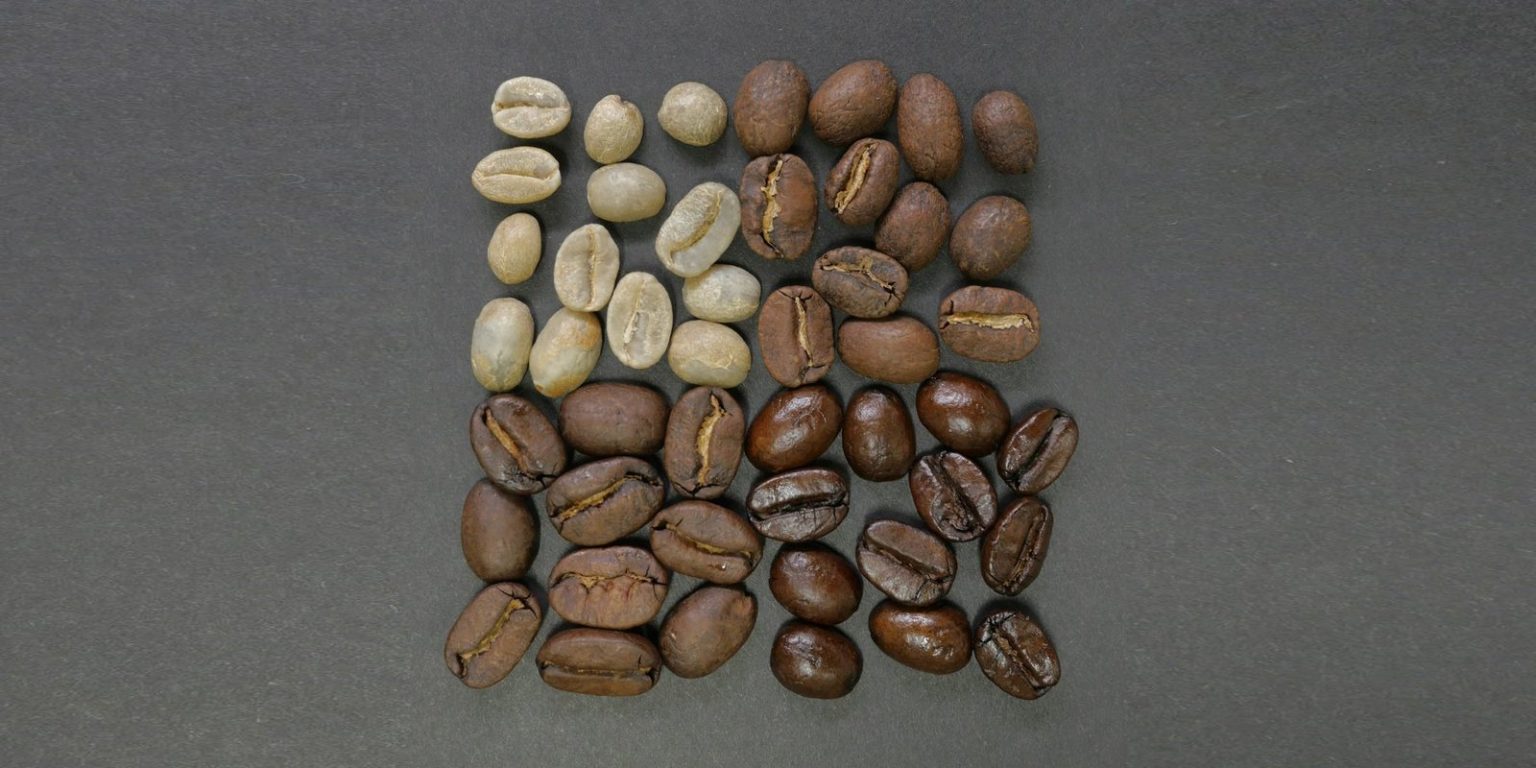
Let's take a look: the color changes when roasting the same batch of beans.
From left to right, from green beans to very dark roast. The darker the roast, the blacker the beans and the shinier the surface.
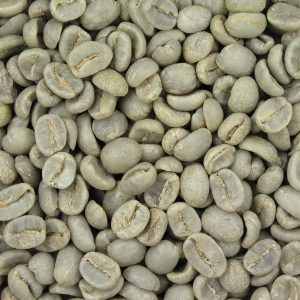
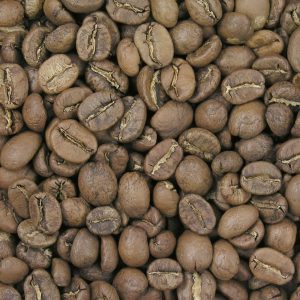
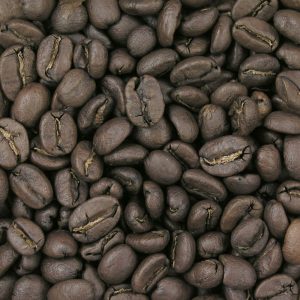
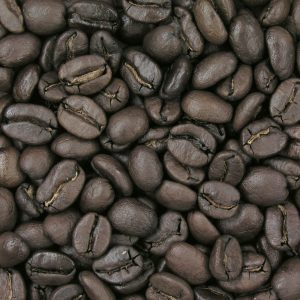
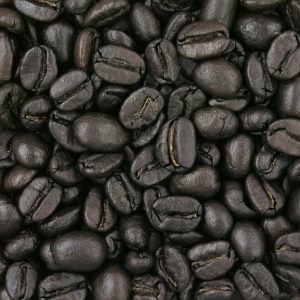
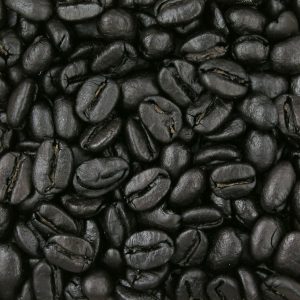
Baking photos: Dan BollingerCC BY-SA 3.0(Brazilian coffee beans, size and format adjusted)
Coffee roasting methods
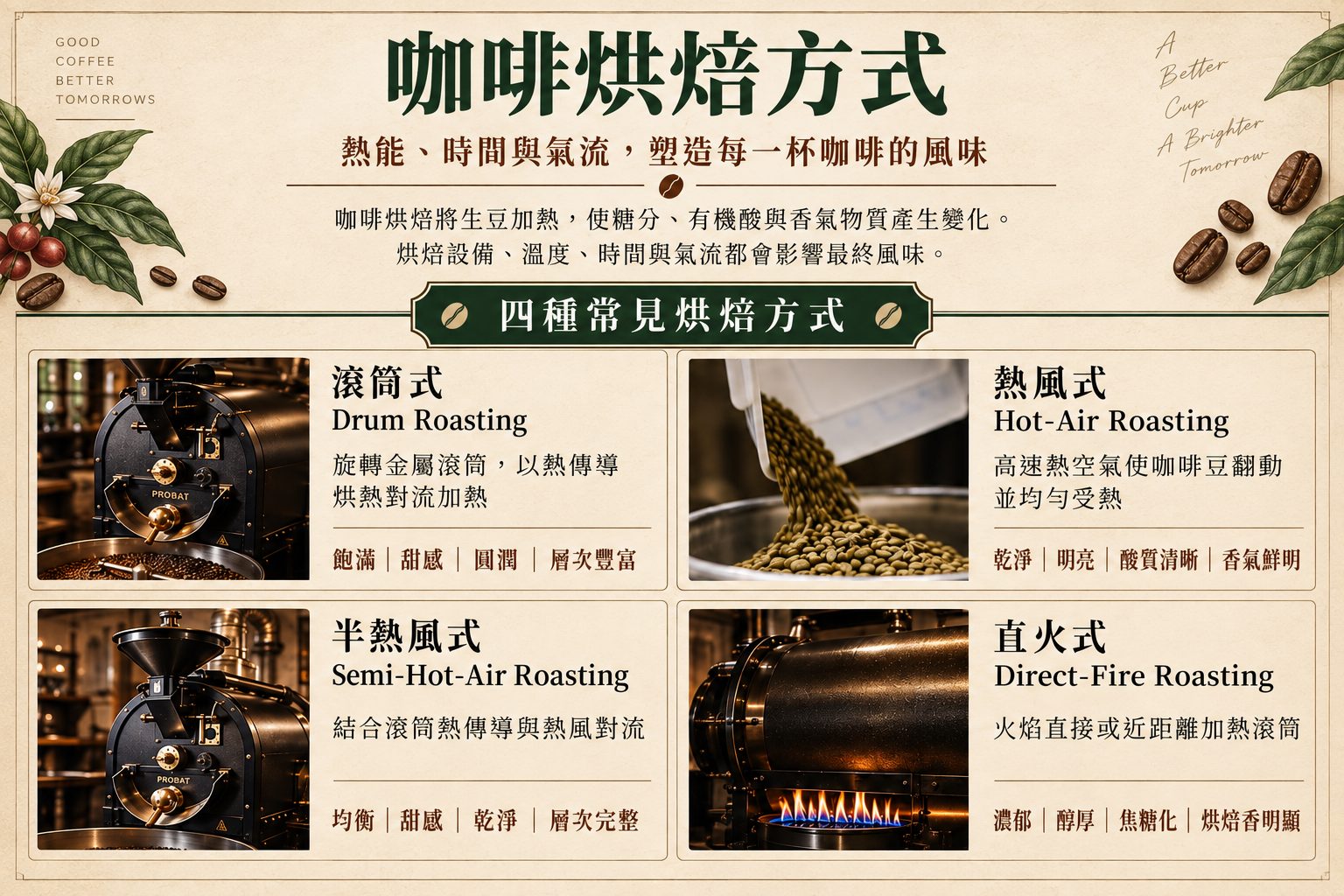
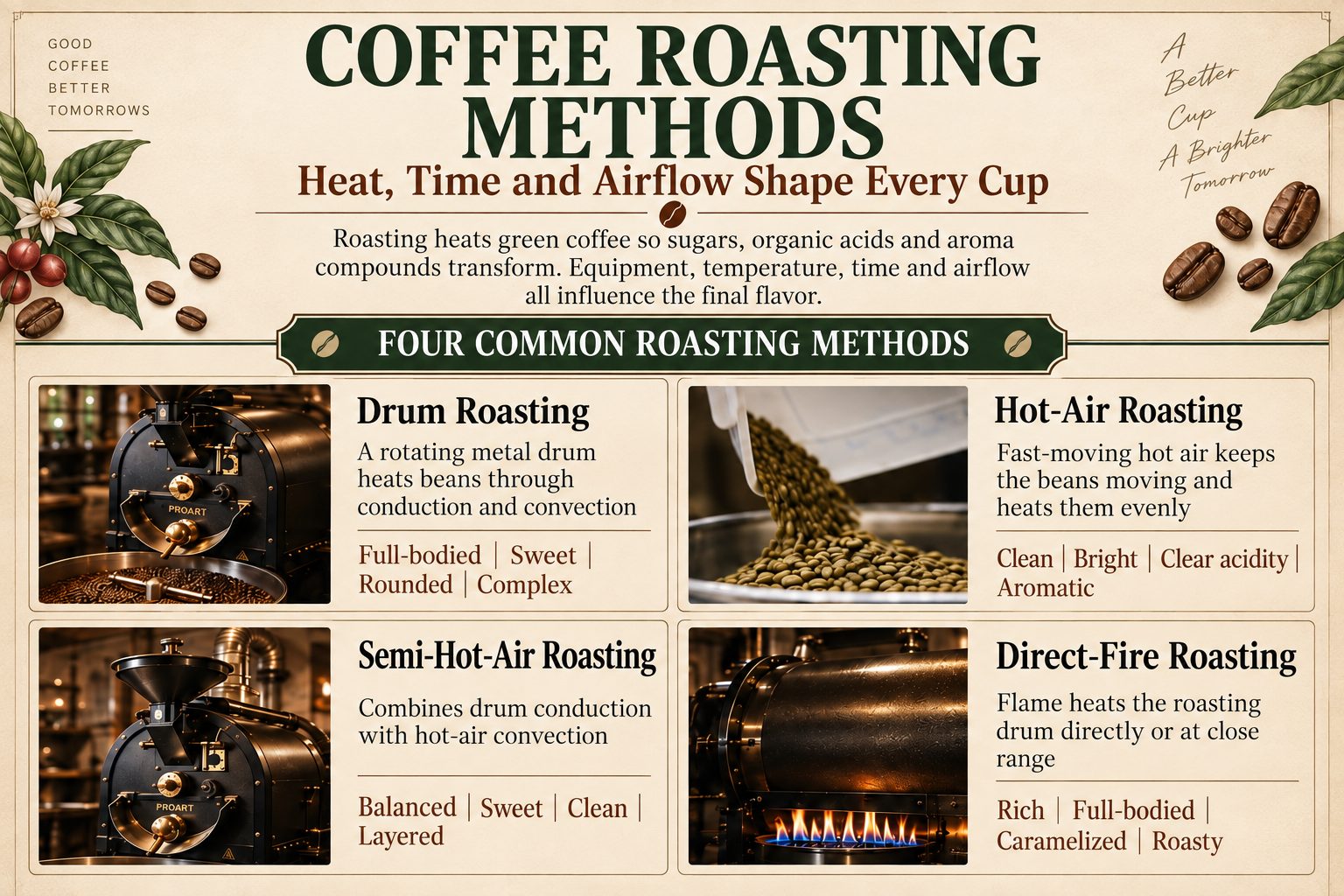
1. Drum bakingDrum Roasting
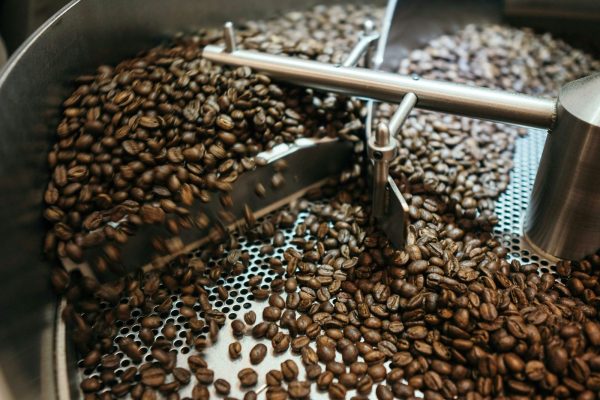
The most common roasting method involves placing coffee beans into a rotating metal drum and heating them using heat conduction and convection.
Roasters can finely adjust the heat, airflow, and time to create different flavors, suitable for both commercial and specialty coffee.
Flavor notes:Full aroma | Prominent sweetness | Rounded texture | Rich layers of flavor
2. Hot air bakingHot-Air Roasting
High-speed hot air is used to suspend or continuously tumble coffee beans, and heating is achieved mainly through thermal convection. This method is also known as fluid-bed roasting.
The beans are heated quickly and evenly, resulting in a cleaner and brighter flavor that clearly reflects the characteristics of the production area and variety.
Flavor notes:Clean | Bright | Clear Acidity | Distinctive Aroma
3. Semi-convection bakingSemi-Hot-Air Roasting
Combining heat conduction from the drum with heat convection from the hot air is a design feature adopted by many modern coffee roasters.
Bakers can adjust the flavor by controlling the heat and airflow, achieving a balance between cleanliness, sweetness, and richness.
Flavor notes:Balanced | Pleasant sweetness | Clean | Full range of flavor layers
4. Direct-fire bakingDirect-Fire Roasting
The flame directly or at close range heats the drum and coffee beans, generating intense heat and requiring a high level of experience from the roaster.
When properly controlled, it can produce a rich aroma and distinct roasted character; if the heating is uneven, it may result in a burnt or bitter taste or surface scorching.
Flavor notes:Rich | Full-bodied | Distinct caramelization | Strong roasted aroma
The Roasting Process
How green beans become the aromas in your cup
During roasting, water, sugars, amino acids, and the bean’s structure change continuously. Understanding these stages helps explain how roasters shape aroma, sweetness, acidity, and mouthfeel.
Drying phase
Green beans heat up and gradually release moisture, laying a stable foundation for the flavor reactions that follow.
Maillard reaction
Sugars react with amino acids, gradually creating nutty, cocoa, and roasted aromas.
Caramelization
Sugars break down further, adding caramel sweetness, ripe-fruit notes, and body.
First crack
Pressure inside the bean is released with an audible crack, and the coffee begins to develop drinkable flavor.
Development time
The time and heat after first crack determine the balance of aroma, sweetness, acidity, and roast character.
Second crack
The bean structure breaks down further, and the flavor shifts toward dark-roast, smoky, and roasty-bitter notes.
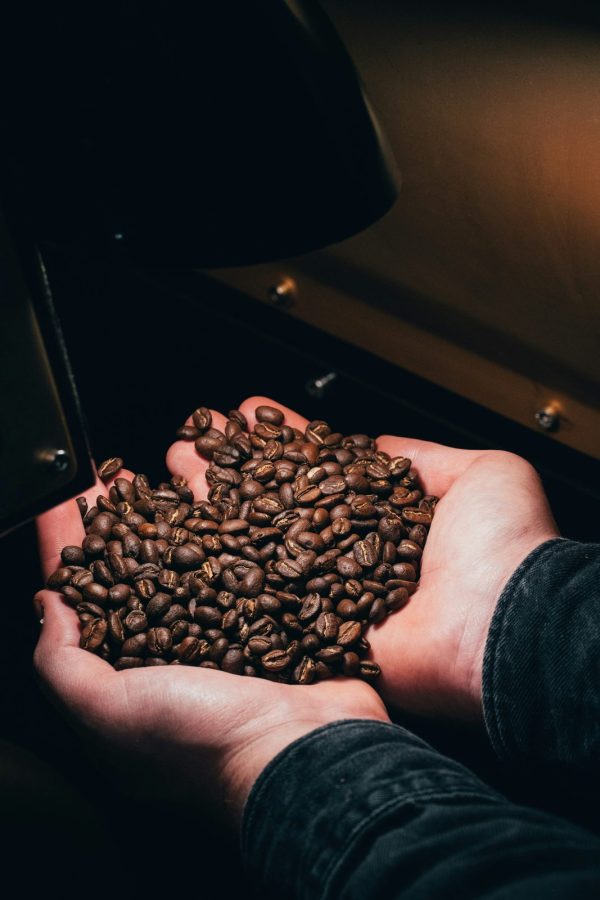
Stepping into the roasting room: From adding beans to completion
Taking a drum roaster as an example, a roasting process takes about 10–15 minutes, and each step affects the flavor of the final cup.
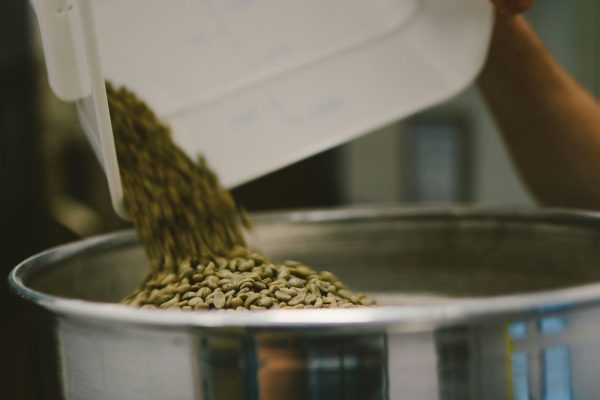
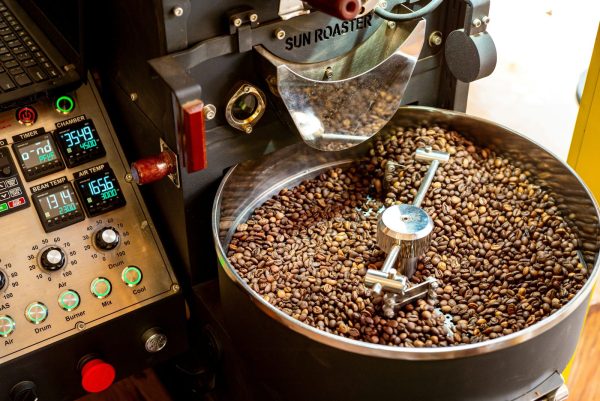
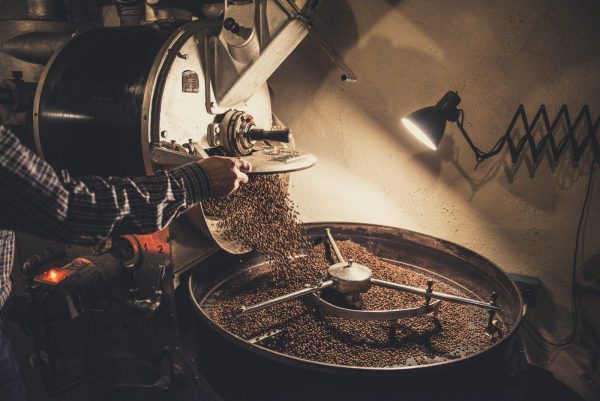
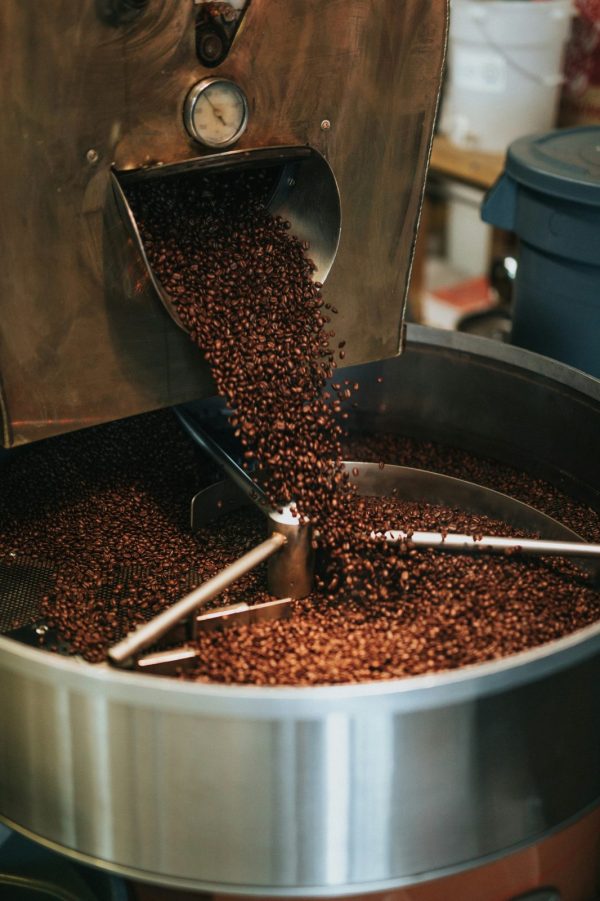
Some photos are from Unsplash.
Extraction Guide
Judging Extraction by Taste
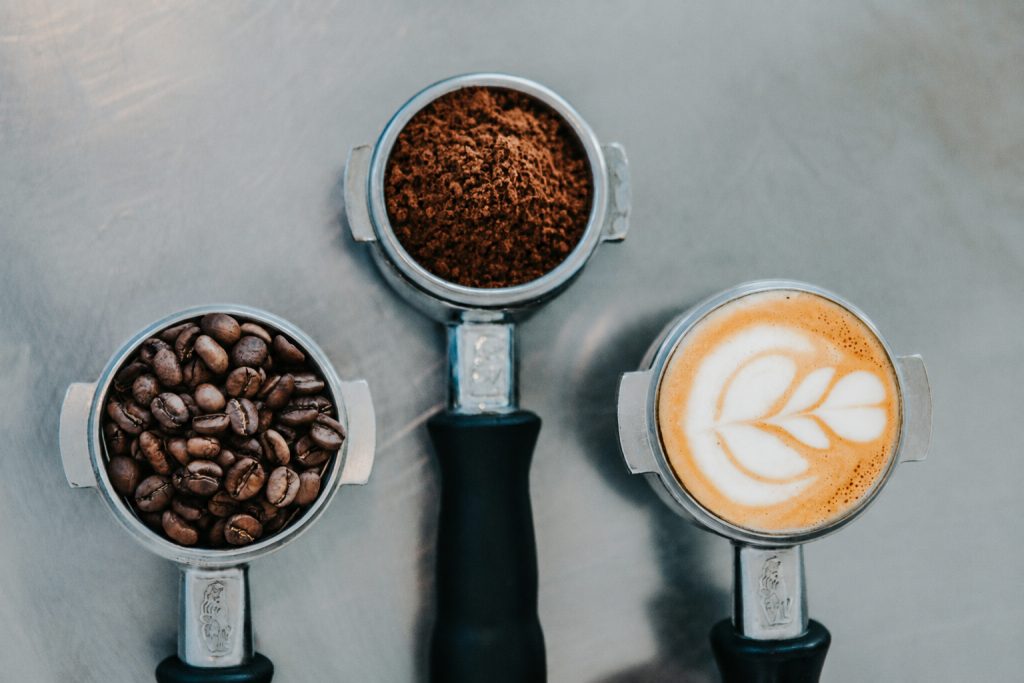
Extraction is the process of hot water dissolving flavor compounds from coffee. First fix your coffee dose and water amount, then fine-tune the taste with grind size, time, and water temperature.
Under-extraction
May taste sharply sour, thin, or have a short finish. Try a finer grind, a longer brew time, or a slightly higher water temperature.
Balanced extraction
Acidity, sweetness, and body are in harmony, the aroma is clear, and a pleasant, complete finish lingers.
Over-extraction
May taste harshly bitter, dry, or hollow. Try a coarser grind, a shorter brew time, or a slightly lower water temperature.
- Coffee-to-water ratioSets overall strength and flavor structure
- Grind sizeFiner grinds usually extract faster
- Contact timeLonger contact usually extracts more
- Water temperatureHotter water usually speeds up extraction
Sourness doesn’t always mean under-extraction, and bitterness doesn’t always mean over-extraction; also consider the coffee’s own flavor profile and overall mouthfeel.
How to choose among nine common brewing methods
This paper comprehensively compares nine brewing methods based on extraction principles such as drip filtration, soaking, pressure, and vacuum, and uses photos of six different equipment to quickly understand the operation methods and flavor expression.
View full information →Keep Exploring
From coffee types to origins
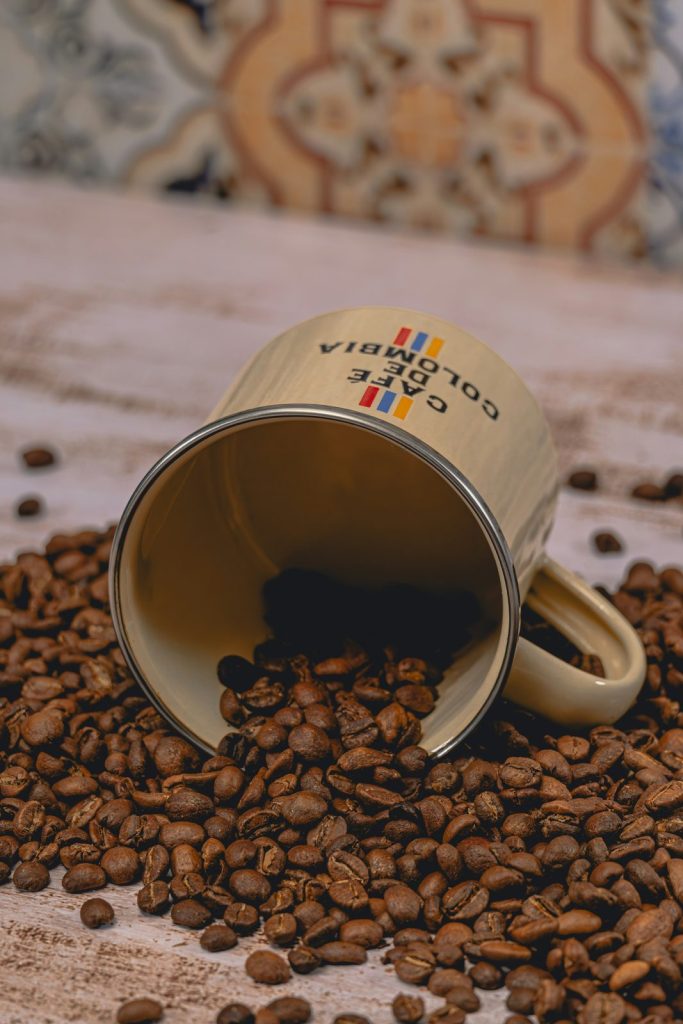
The same variety can taste different at different altitudes, in different climates, and with different processing. Next, explore Colombia’s growing regions.
Discover Colombian Coffee →